Logistics
Warehousing & Fulfillment
Transportation
E-commerce
E-commerce Fulfillment Services
Lease & Maintenance
Semi Trucks
Supply Chain Technology
Fleet Management Technology
Logistics
E-commerce
Lease & Maintenance
Buy Used Trucks
Updated November 24, 2026
Managing a commercial fleet is a balancing act. Businesses need enough vehicles to meet customer demand, maintain reliable transportation operations, and support growth without overinvesting in equipment or increasing operating costs unnecessarily.
However, transportation requirements rarely remain constant. Customer demand fluctuates, new business opportunities emerge, vehicles require maintenance, and economic conditions influence investment decisions. Maintaining the right fleet size and composition while navigating these changes can be challenging for businesses of any size.
Commercial truck rental offers an alternative to purchasing additional vehicles or making long-term leasing commitments. It allows businesses to access transportation equipment when they need it, for as long as they need it, while maintaining greater financial and operational flexibility.
Whether a company operates a large private fleet, is expanding into new markets, or needs its first commercial vehicle, commercial truck rental services can play an important role in supporting business objectives.
Commercial truck rental is a transportation solution that allows businesses to temporarily access commercial vehicles without purchasing or entering into a long-term lease. Rental periods can range from days to months, depending on business requirements, equipment availability, and rental terms.
Commercial rental vehicles are available in various sizes and configurations to support different industries, cargo requirements, and transportation applications.
While some businesses rely on rentals to fulfill temporary transportation needs, others incorporate rental vehicles into their ongoing fleet management strategies to complement owned or leased equipment.
Commercial truck rental is not simply a short-term transportation solution. It is a strategic tool that can help businesses manage capacity, mitigate operational risk, control costs, and respond to changing market conditions.
Commercial truck rental provides several financial and operational advantages for businesses looking to manage transportation resources more effectively.
Purchasing commercial vehicles requires a significant upfront investment. Beyond the acquisition cost, businesses must account for depreciation, maintenance, registration, insurance, and eventual vehicle replacement.
Renting eliminates the need for a large upfront vehicle purchase, allowing businesses to allocate capital toward other priorities, including business expansion, technology investments, inventory, and workforce development.
Transportation requirements evolve as businesses grow, enter new markets, secure customer contracts, or experience changes in demand.
Commercial truck rental allows companies to adjust fleet capacity without committing to permanent fleet expansion. This flexibility helps align transportation resources with actual business requirements and reduces the risk of underutilized equipment.
The total cost of owning and operating a commercial fleet extends well beyond the purchase price.
Vehicle maintenance, unexpected repairs, depreciation, storage, and administrative responsibilities can significantly impact profitability. These expenses can become particularly challenging when vehicles are not generating revenue.
Renting can help businesses reduce exposure to certain ownership-related expenses and better align transportation costs with operational activity.
Commercial vehicles require regular preventive maintenance, inspections, and repairs to remain reliable and operational.
Working with a commercial truck rental provider can reduce the maintenance burden associated with owning additional vehicles. Depending on the rental agreement, businesses can also benefit from maintenance support, roadside assistance, and replacement vehicle options.
This allows companies to dedicate more resources to their core operations.
Transportation requirements can vary considerably depending on cargo, delivery routes, customer locations, and industry requirements. Commercial truck rental provides access to different vehicle classes and configurations without requiring businesses to invest in specialized equipment that may only be needed periodically.
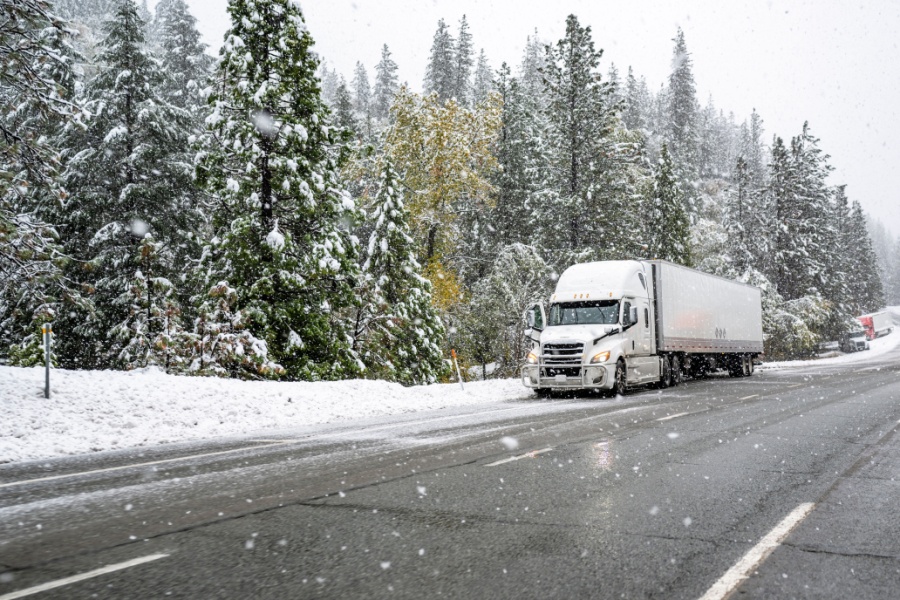
Unexpected vehicle breakdowns, extended repairs, and delays in equipment deliveries can disrupt transportation operations.
Rental vehicles provide businesses with an additional resource for maintaining fleet capacity and minimizing disruptions to delivery schedules, customer commitments, and revenue-generating activities.
Businesses use commercial truck rentals for a variety of operational and strategic reasons. Understanding when to incorporate rental vehicles into a fleet strategy can help companies improve efficiency, manage costs, and respond more effectively to changing transportation needs.
Seasonal demand can place significant pressure on transportation networks. Retailers experience increased order volumes during the holidays, food and beverage distributors require additional capacity during harvest and summer seasons, and construction companies often experience increased activity during favorable weather conditions.
Purchasing additional vehicles to accommodate temporary increases in demand can leave businesses with excess fleet capacity during slower periods.
Commercial truck rental allows companies to increase transportation capacity during peak periods and return vehicles when demand normalizes. This helps minimize unnecessary capital expenditures while maintaining the ability to fulfill customer orders and delivery commitments.
Businesses can improve seasonal preparedness by reviewing historical demand, forecasting shipment volumes, and reserving rental equipment in advance.
Securing new customers, expanding distribution networks, opening additional facilities, and entering new geographic markets often require additional transportation resources.
However, investing in new vehicles before long-term transportation requirements are fully understood can create unnecessary financial risk.
Rental vehicles allow businesses to support growth initiatives while evaluating demand, route requirements, and equipment utilization before making permanent fleet investments.
For growing businesses, this approach can provide the transportation capacity needed to pursue new revenue opportunities without tying up significant capital.
Vehicle downtime can disrupt delivery schedules, reduce driver productivity, increase transportation costs, and negatively impact customer satisfaction.
Commercial truck rentals can help businesses maintain fleet capacity during:
Incorporating rental vehicles into a fleet contingency plan can help businesses maintain operational continuity when equipment becomes unavailable.
Combining a proactive rental strategy with a comprehensive fleet maintenance program can further reduce the operational impact of vehicle downtime.
Not every transportation requirement justifies a permanent fleet investment.
Construction projects, temporary distribution operations, facility relocations, promotional campaigns, and short-term customer contracts may require additional or specialized equipment for a limited period.
Commercial rental trucks allow businesses to match transportation resources to the duration and requirements of individual projects without taking on long-term ownership obligations.
As vehicle technology, business requirements, and transportation operations evolve, businesses may need to evaluate different equipment types.
Renting provides an opportunity to assess vehicle performance, payload capacity, maneuverability, fuel efficiency, and operational suitability before committing to purchasing or leasing additional equipment.
This can be particularly valuable when implementing new delivery routes, changing distribution strategies, or evaluating opportunities to right-size a fleet.
Vehicle production schedules, equipment availability, and fleet replacement timelines do not always align with operational requirements.
Commercial truck rentals can help bridge the gap between retiring existing vehicles and receiving new equipment, allowing businesses to maintain transportation capacity throughout fleet transitions.
Selecting the right commercial rental vehicle depends on cargo requirements, payload capacity, route characteristics, delivery environments, and other operational considerations.
Ryder offers a range of commercial vehicles designed to support different transportation applications.
Commercial cargo vans and light-duty vehicles are well suited for local deliveries, smaller shipments, service operations, and urban distribution.
Their maneuverability makes them particularly effective for frequent-stop routes and locations with limited delivery access.
Common applications include parcel delivery, floral distribution, retail replenishment, small business transportation, and field service operations.
Medium-duty commercial trucks, including straight trucks and box trucks, provide increased cargo capacity while maintaining the maneuverability required for local and regional distribution.
These vehicles are commonly used for food and beverage distribution, wholesale transportation, retail deliveries, and furniture and appliance distribution.
Refrigerated truck rentals provide temperature-controlled transportation capacity for perishable and temperature-sensitive products.
These vehicles support businesses in industries such as food and beverage, grocery distribution, healthcare, and pharmaceuticals, where maintaining appropriate cargo temperatures is essential to product integrity.
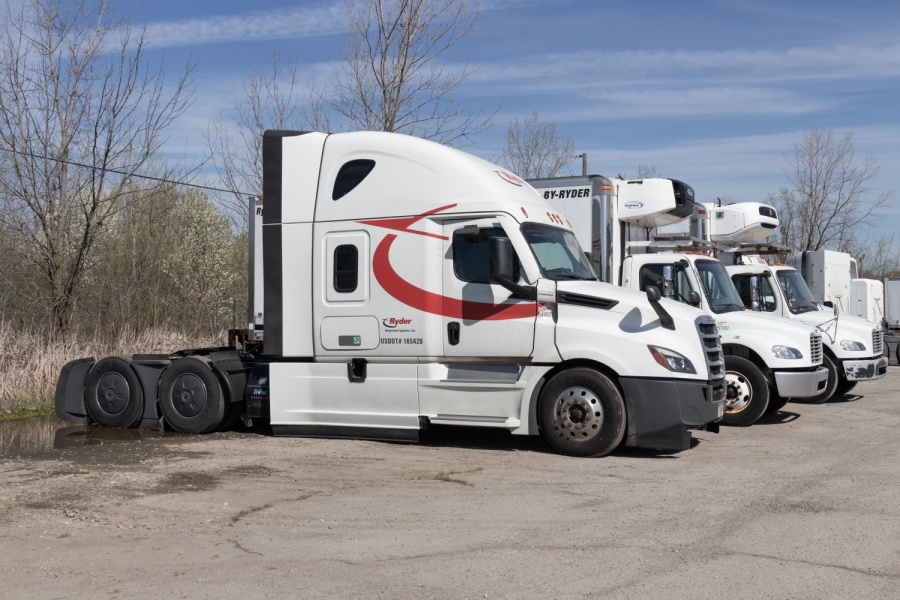
Heavy-duty trucks and semi-truck tractors provide the power and capacity required for larger freight movements, regional and long-haul transportation, and industrial operations.
Businesses can rent day cab or sleeper tractors, depending on equipment availability, route lengths, driver requirements, and transportation applications.
Commercial trailer rentals provide additional transportation and storage capacity for businesses with changing freight requirements.
Depending on the application and equipment availability, businesses can access a variety of trailer configurations, including dry van, refrigerated, flatbed, storage, and specialized trailers.
Access to different trailer configurations allows businesses to accommodate changing cargo requirements and specialized transportation needs without investing in additional permanent assets.
Expanding fleet capacity should not come at the expense of operational visibility, safety, or efficiency.
Modern commercial vehicles equipped with advanced telematics technology can provide valuable information that helps fleet managers better understand vehicle performance and transportation operations.
Depending on vehicle equipment, platform capabilities, and data access, telematics can support:
These capabilities can be particularly valuable when integrating rental vehicles into existing commercial fleets.
Utilization data can help businesses understand whether additional vehicles are being deployed effectively, identify opportunities to improve efficiency, and determine whether temporary transportation requirements justify permanent fleet expansion.
Access to modern vehicle technology and safety features can also help businesses evaluate equipment capabilities before making future fleet investment decisions.
Commercial truck rental supports transportation operations across a wide range of industries, each with unique equipment, capacity, and distribution requirements.
Businesses in the food and beverage industry require reliable transportation to maintain product freshness, meet delivery schedules, and accommodate changing consumer demand.
Dry and refrigerated rental trucks can support grocery distribution, beverage deliveries, harvest seasons, promotional activity, and expanded customer routes.
Retailers and e-commerce businesses use commercial truck rentals to support store replenishment, distribution center transfers, product launches, online order fulfillment, and last mile delivery operations.
Additional rental capacity can help businesses accommodate increased shipment volumes without expanding their permanent fleets.
Construction companies, contractors, and building material suppliers often experience fluctuating transportation requirements based on project schedules and material demands.
Rental trucks, tractors, and trailers can support jobsite deliveries, material transportation, and short-term construction projects while reducing the need for permanent equipment investments.
Manufacturers use commercial rental vehicles to support inbound material transportation, interfacility transfers, outbound distribution, and temporary production increases.
Rental capacity can also help manufacturers maintain transportation schedules during facility expansions, production changes, and fleet disruptions.
Wholesale distributors manage transportation requirements across multiple customer segments, delivery locations, and product categories.
Commercial truck rentals allow distributors to accommodate new customers, additional delivery routes, changing order volumes, and geographic expansion without immediately increasing their permanent fleet size.
Healthcare organizations and pharmaceutical distributors require reliable transportation to support the movement of medical supplies, equipment, and temperature-sensitive products.
Commercial truck rentals can supplement existing distribution fleets, support network expansion, and provide additional capacity during operational disruptions.
For small businesses, purchasing a commercial vehicle can represent a significant financial commitment.
Rental vehicles provide access to professional transportation equipment without the initial capital requirements of ownership. This allows businesses to fulfill customer orders, evaluate new opportunities, and establish transportation operations as they grow.
Selecting a commercial truck rental provider involves more than comparing daily or monthly rental rates.
Businesses should evaluate a provider's ability to support their broader transportation and fleet management requirements.
Key considerations include:
Working with a provider that understands the complexities of commercial transportation can help businesses develop a rental strategy that supports both immediate requirements and long-term objectives.
The most effective commercial truck rental strategies are proactive rather than reactive.
Businesses should regularly evaluate their transportation requirements, vehicle utilization, growth projections, and fleet operating costs to determine where rental equipment can provide the greatest value.
Consider the following steps when developing a rental strategy:
1. Evaluate existing fleet utilization: Identify underutilized assets, capacity constraints, and opportunities to right-size the fleet.
2. Forecast transportation requirements: Incorporate customer demand, sales projections, seasonal patterns, and business growth initiatives.
3. Establish core fleet capacity: Determine the number and types of vehicles needed to support consistent, year-round operations.
4. Identify temporary capacity requirements: Evaluate where rental vehicles can support short-term projects, demand fluctuations, maintenance events, or growth.
5. Plan equipment requirements: Consider payload, cargo configuration, driver licensing, route characteristics, and loading requirements.
6. Coordinate with a rental provider: Establish a relationship before additional equipment is needed and reserve vehicles in advance whenever possible.
7. Measure performance: Review vehicle utilization, rental expenses, delivery performance, and operational outcomes to refine future fleet decisions.
By incorporating commercial truck rental into broader fleet planning, businesses can move beyond reactive equipment sourcing and develop a more flexible, cost-effective approach to transportation management.
Effective fleet management is not necessarily about operating more vehicles. It is about having access to the right vehicles, in the right locations, at the right time.
Whether supporting business growth, managing seasonal demand, minimizing downtime, or fulfilling short-term transportation requirements, commercial truck rental provides the flexibility businesses need to adapt to changing conditions.
With an extensive commercial rental fleet, a nationwide network of rental locations, maintenance expertise, and advanced vehicle technology, Ryder helps businesses manage transportation capacity without unnecessary long-term commitments.
From cargo vans and box trucks to refrigerated vehicles, heavy-duty tractors, and trailers, Ryder provides commercial rental equipment designed to support businesses across industries and transportation applications.
Explore commercial truck rental solutions from Ryder and discover how a flexible fleet strategy can help your business control costs, improve efficiency, and keep operations moving.
Commercial truck rental allows businesses to temporarily access commercial vehicles without purchasing or entering into a long-term lease. Rental vehicles can support deliveries, distribution, business expansion, seasonal demand, and temporary transportation requirements.
Ryder offers commercial rental vehicles, including cargo vans, light-duty trucks, medium-duty box trucks, refrigerated trucks, heavy-duty tractors, and commercial trailers. Vehicle configurations and availability may vary by location.
Renting is generally best suited for temporary, seasonal, or unpredictable transportation requirements. Leasing can support consistent, long-term fleet needs while reducing upfront capital investment, while purchasing may be appropriate for businesses that prefer long-term asset ownership.
Commercial truck rental costs vary based on vehicle type, rental duration, location, mileage, equipment availability, insurance requirements, and additional services. Businesses should evaluate the total rental cost against their transportation requirements and the costs associated with purchasing or leasing equipment.
Yes. Commercial truck rentals can accommodate extended transportation requirements, including long-term projects, seasonal demand, business expansion, and fleet replacement delays, subject to vehicle availability and rental terms.
Commercial driver's license requirements depend on the vehicle's weight rating, configuration, cargo, and applicable regulations. Some light- and medium-duty rental trucks can be operated without a CDL, while larger commercial vehicles generally require appropriately licensed drivers.
Yes. Businesses can use rental vehicles to supplement owned or leased fleets during periods of increased demand, vehicle downtime, business expansion, and short-term projects. This approach can improve fleet utilization and reduce unnecessary capital investments.
Maintenance and roadside assistance provisions depend on the rental provider and agreement. Businesses should confirm available support, coverage, and responsibilities when arranging commercial truck rentals.